
Dr. Dustin Ballard: With children comes dangerous play
Dr. Dustin Ballard
Posted: 02/01/2009 06:04:55 PM PST
Some time ago, I learned about a children's product called "Aqua Dots" that, as it turns out, was the perfect toyÉ for a raver.
Aqua Dots (also known as Bindeez) was an ingenious craft kit that made Etch-A-Sketch look Mesozoic. Using a plastic pneumatic pen, children could set colorful little beads into mosaics and permanently bond their creations simply by adding water - thus creating lasting tributes to their artisanship. Creative, fun and priced under $30, Aqua Dots sold millions of sets and was named Australia's Toy of the Year in 2007.
But there was one problem: if your little Picasso ingested the Skittle-esque Aqua Dots, he might suffer an abstracted level of consciousness, like Pablo in the sky with diamonds. This is what happened to dozens of children, aged 2 to 10, after swallowing Aqua Dots. Several of them were hospitalized with seizures, lethargy and respiratory distress. No children died, but parents and physicians were puzzled until the culprit was identified - Aqua Dots were laced with GHB. GHB, as in the popular club drug from the 1990s, that is known in the media as a "date-rape drug" and on the streets as Scoop, Liquid X, Easy Lay and G-Riffick.
How did a date-rape drug get into a children's art toy? Remember the recent Chinese infant formula scandal? Well this situation involved a similar cost-cutting measure. The Chinese plant manufacturing Aqua Dots decided to substitute a cheaper solvent (1,4-butanediol or 1,4-BD) for its nontoxic counterpart (1,5-pentanediol). When ingested, 1,4-BD is metabolized to gamma-hydroxybutyrate (GHB) and within 15 to 30 minutes severe changes in mental state result.
After the GHB discovery in late 2007, 4.2 million units of Aqua Dots were recalled. Subsequently, the product was renamed "Beados" and marketed as containing a "new bead formula," one without the toxic solvent and with a bitter-tasting additive to discourage ingestion. You can still find it online today (just Google "Beados Beads.")
As frightening as this story is, it is just one of many examples of child's play gone awry. Radar Online has recently hailed Aqua Dots, alongside nine other disastrous inventions, as the "most dangerous playthings of all time." Some of the other ill-considered products included lawn darts (Jarts) that impaled younger siblings, Easy Bake Ovens that toasted little hands, BattleStar Galactica Missile Launchers that fired missiles into mouths and throats, and Johnny Reb Canons that blinded eyeballs with miniature plastic cannonballs.
But, minimalists beware; it's not just specialty toys that can cause problems. Marbles have a strong affinity for the nasal passages of 2-year-old boys and 3-year-old girls have an unfortunate tendency to run around with pencils pointed upwards in a manner that can lead to punctured lips and tongues. Several years ago, I treated a youngster with unusual breathing. The parents thought it might be pneumonia or asthma, but I was befuddled. There was an unusual noise in the child's lungs - something high pitched and squeaky. An X-ray revealed the culprit; a small metal whistle that the child had surreptitiously aspirated (swallowed into the lungs).
Even a balloon, so gentle and buoyant, can be a dangerous hazard. A child who accidentally swallows the remnants of a popped balloon may suffer a horrific airway emergency because a balloon can lodge in the trachea and - because of its elasticity - be difficult to remove. In fact, a study from the Cook County Medical Examiner's Office in Illinois found that toy balloon aspiration was the most common cause of fatal aspiration in children under age 14.
For as long as there have been children, there have been children who discover pain in their play. As any parent can attest, kids are very consistent in when they choose to play dangerously; at exactly the moment mom or dad looks the other way. Short of locking up little Sally in a padded cell, there is really no way to keep your child completely safe. But, it would be reassuring if toy makers would help out just a bit and avoid throwing lawn darts. A good place to start would be to stop confusing terrific toys with G-riffick toys. Leave the latter to the clubbing crowds.
TOY SAFETY
- For tips on choosing safe toys, check out the American Academy of Pediatrics Web site at www.aap.org/publiced/br_toysafety.htm
- For more information about recalled toys, go to the Consumer Product Safety Commission at www.cpsc.gov
Dr. Dustin W. Ballard is an emergency physician at Kaiser Permanente San Rafael and the author of "The Bullet's Yaw: Reflections on Violence, Healing and an Unforgettable Stranger." His Medically Clear column appears every other Monday.
Tuesday, March 3, 2009
Lessons in a Bottle (Marin Independent Journal)
Dr. Dustin Ballard: Vioxx story linked to debate over U.S. health system
Posted: 03/01/2009 04:49:55 PM PST
http://www.marinij.com/lifestyles/ci_11810118
http://www.marinij.com/lifestyles/ci_11810118
Comparative effectiveness research is a phrase that is as dull as traffic school and as nerdy as pens in your shirt pocket. It's also full of syllables and vague. But despite these flaws, comparative effectiveness research (CER) has become the buzz-phrase in the ongoing debate over how to improve the quality and efficiency of the U.S. health system.
Just two weeks ago, President Obama signed into law a $787 billion stimulus bill that establishes a multiagency council tasked with coordinating $1.1 billion of research into the comparative effectiveness of medical treatments. The goal of the federal investment in CER is to provide clear information about the risks, benefits and costs of various treatments of specific diseases (including drugs, supplements, medical devices and procedures).
Given the volume of information and misinformation available in the health-care arena, the work of the Federal Coordinating Council for CER (Council for CER), if done right, would be extremely valuable. Of course, many excellent resources weighing the pros and cons of medical treatments already exist, as do some well-done reviews of existing medical research (such as the Cochrane Review series), but a centralized and trusted catalog of comparisons would have far wider influence.
Still, comparative effectiveness research has its opponents. Sadly, they don't appreciate how CER could improve care. Instead, they fear a slippery slope leading to "rationing." Comparing treatments, they argue, will ultimately lead to certain higher-priced treatments being denied by Medicare and other payers.
George Will, writing about the excesses of the stimulus bill, opined, "CER, which would dramatically advance government control - and rationing - of health care, should be thoroughly debated." Betsy McCaughey, a senior fellow at the Hudson Institute in New York, went further in an op-ed for Bloomberg News, arguing, "Senators should read these provisions and vote against them because they are dangerous to your health."
Debating the benefits of CER is one thing, calling it dangerous is quite another. At this point, the details of the Council for CER are murky, and there is certainly a chance that the effort could go astray, but the dangerous approach is the status quo. If you don't believe me, consider the case of Vioxx.
You probably remember Vioxx (also known as Rofecoxib), the blockbuster drug of the new millennium that went horribly wrong. Vioxx was marketed as an effective painkiller that lacked the gastrointestinal side effects of anti-inflammatories such as ibuprofen and naproxen. A Vioxx-dedicated force of 3,000 Merck representatives canvassed physicians across the land, handing out pamphlets claiming Vioxx to be "8 to 11 times safer" than the competition. As a result, Vioxx had a great run; from May 1999 to September 2004, 100 million prescriptions were written in the U.S. alone and the drug generated billions of dollars in sales. A great run indeed, until it became clear that Vioxx had a nasty side effect - it caused people to die of heart attacks. How many people? Well, that is not exactly clear and may never be.
A colleague asked me recently if I had any idea how many deaths were attributable to Vioxx and I have to admit I was shocked to learn that the number may be as high as 60,000 (based on estimates by FDA official David Graham). That, by the way, is approximately a 12,000 times higher mortality rate than that of the recent peanut paste salmonella outbreak. Which is interesting because while the Peanut Corporation of America just filed for bankruptcy, Merck & Co. seems to be doing just fine. But, I digress.
If you question the impact of Vioxx on the public's health, check out the U.S. mortality rates in 2003 versus 2004. In 2002, the U.S. Food and Drug Administration (FDA) issued a warning on Vioxx's safety and this led to a 30 percent decrease in prescriptions (6 million) from 2003 to 2004. Interestingly, 2004 also saw a 2 percent decrease (over 50,000) in the total number of U.S. deaths. This drop in mortality was surprising for several reasons:
- It was the largest in 70 years.
- Most of it was in heart-disease related mortality (which decreased by 6.6 percent), despite the fact that there were no major widespread improvements in cardiac care in 2003 or 2004.
- It occurred despite the continued aging of the U.S. population.
- It was not a one-year statistical fluke (there was no major increase in mortality in 2005).
As those who've followed the Vioxx saga know, the real tragedy lies in the fact that, from the beginning, there was evidence that the drug increased the risk of heart attacks. Because of a combination of selective reporting of the data, overly optimistic interpretations of results, ghostwriting of manuscripts, inattentive editing, and aggressive and disingenuous marketing, this evidence was ignored.
I have to think that a well-funded and unbiased CER could have exposed Vioxx's fatal flaw before the death count escalated into the tens of thousands. Even if based only on early studies, a comparison of Vioxx and other available treatments would have revealed that most patients would receive little, if any, benefit by using Vioxx. But since such a comparison did not exist, Merck representatives were able to convince many physicians that they should prescribe Vioxx to patients who didn't need it, and advertising convinced many patients that Vioxx was a miracle drug that they had to have. While the FDA certainly dropped the ball on the safety of Vioxx (and has since tried to improve public access to safety and efficacy information), CER could have greatly mitigated the damage.
So yes, a Council for CER might be "dangerous" - but to companies that disregard the public health in order to make money on ineffective or harmful treatments.
Dr. Dustin Ballard is an emergency physician practicing in Marin County and the author of "The Bullet's Yaw: Reflections on Violence, Healing and an Unforgettable Stranger." His Medically Clear column appears every other Monday.


Saturday, February 28, 2009
Something to Celebrate (Marin IJ)
It’s hard to keep track of all the holidays we have in this country. This month alone, according to holidayinsights.com, we have already celebrated No Socks Day, National Candied Orange Peel Day and Lumpy Rug Day. And even though May has been designated National Hamburger Month and National Salad Month, today is “Eat What You Want Day.” Last week, in case you missed it, was Wildflower Week. It is no wonder that with all this random celebratory noise, most of you will not observe National Emergency Medical Services (EMS) week, May17th-May 23rd. This is a shame. Some readers have been around long enough to remember a time when EMS, as we now know them, didn’t exist. But for the rest of us, perhaps the best way to fully appreciate today’s efficient pre-hospital services is to turn back the clock.
Imagine it’s 1967 and Thurston Howell III (anyone remember Gilligan’s Island?) has crashed his Cadillac Fleetwood into the center-divide of a suburban interstate highway. He is pinned inside his car and suffering from multiple injuries, including a lacerated spleen. Assuming there are other cars passing by, Howell’s accident will be easy to detect, but EMS notification will not be so easy. Nowadays, Americans are taught from childhood to use their cell phones to dial 9-1-1 in an emergency, but in 1967, cellular phones were merely theoretical and there was no such thing as 9-1-1. Emergency phone numbers existed, but there was great regional variability. For example, in the 1970’s, in the eight counties of the Kansas City metropolitan area, there were 78 different emergency phone numbers for 45 different ambulance companies. So, for a passing motorist to summon help for Howell, he or she would have to drive to the nearest town, thumb through the phone book, and hope to pick the right number. And then, the real confusion would begin.
In 1967, dispatch was even less efficient than notification, primarily because there was little region-wide coordination. As for Howell, it might be hours before the jurisdiction is sorted out and a transport vehicle dispatched. Meanwhile, he’s bleeding and the clock is ticking.
Consider Howell’s horror, after waiting three hours for an ambulance, to see that a hearse has been sent instead. He might think that he is dreaming, or perhaps residing in purgatory, but really he is receiving the standard ambulance care. In 1967, ambulance transport was essentially an unregulated industry and as Dr. Merlin Duval told a gathering of emergency medical personnel in 1971, it was “entirely possible for an individual or an organization with a station wagon or other similar vehicle to install red lights and a siren and initiate an ambulance service.”
Thus, in the late 60’s and early 70’s, an estimated 12,000 morticians supplemented their incomes by using their vehicles, sometimes converted for medical use, sometimes not, as “horizontal transport” for injured patients. Even the most advanced of these ambula-hearses lacked space for a second attendant, let alone a cardiac monitor or oxygen tank. A 1968 study in Iowa reported that undertakers provided 60% of the state’s ambulance services, a figure likely representative of the rest of the nation. Most of these morticians had no training in first aid and had neither the skill nor equipment to assist seriously injured victims. In fact, nationwide, out of 200,000 or so ambulance and rescue personnel, less than half were trained in first aid. Today, on the other hand, many of us demand first aid certification from our dog sitters.
Getting back to Mr. Howell III, let’s speculate that a mortician has arrived on scene and somehow extricated Howell from the Cadillac, loaded him into the back of a hearse, and turned on the rooftop siren. As the hearse speeds down the interstate, Howell is alone in the back, without anyone to check his blood pressure, give him oxygen, or offer words of reassurance. If he’s lucky, he will soon find himself at a hospital rather than the morgue. But, if he does get to a hospital, it is extremely unlikely that the doctors there will have heard about him ahead of time.
Communication between rescue vehicles and emergency departments was about as standard as cruise control on a Model T. “Although it is possible to converse with astronauts in outer space,” noted the National Academy of Sciences in 1966, “communication is seldom possible between an ambulance and the emergency department it is approaching.” This was because most rescue vehicles didn’t carry radios and those that did usually only allowed for contact between the driver and the dispatcher. In sum, the emergency medical transport approach of the era was focused on delivery – scoop the victim off the pavement and haul him or her to the nearest hospital. “The function of the ambulance driver,” wrote Digby Diehl in his 2000 anthology The Emergency Medical Services Program “was to deliver victims to the nearest hospital quickly, lights flashing and sirens wailing. The crucial question – whether the closest hospital was the best medical choice to treat the patient – was never asked, but all too often the answer was no.”
Today, we have a rapid, highly trained and communication-enabled emergency response system. The paramedics that staff this response can perform procedures, administer drugs, consult with a base physician and give cogent medical advice. This is something to be thankful for. It is also something to be respectful of. Emergency medical services are not infinite and they are not cheap. With that in mind, here is a plea from an emergency medical provider; use EMS liberally when you need it, but don’t abuse it when you don’t. Heart attacks need ambulances, hangnails do not. Not even on National Hangnail day.
Imagine it’s 1967 and Thurston Howell III (anyone remember Gilligan’s Island?) has crashed his Cadillac Fleetwood into the center-divide of a suburban interstate highway. He is pinned inside his car and suffering from multiple injuries, including a lacerated spleen. Assuming there are other cars passing by, Howell’s accident will be easy to detect, but EMS notification will not be so easy. Nowadays, Americans are taught from childhood to use their cell phones to dial 9-1-1 in an emergency, but in 1967, cellular phones were merely theoretical and there was no such thing as 9-1-1. Emergency phone numbers existed, but there was great regional variability. For example, in the 1970’s, in the eight counties of the Kansas City metropolitan area, there were 78 different emergency phone numbers for 45 different ambulance companies. So, for a passing motorist to summon help for Howell, he or she would have to drive to the nearest town, thumb through the phone book, and hope to pick the right number. And then, the real confusion would begin.
In 1967, dispatch was even less efficient than notification, primarily because there was little region-wide coordination. As for Howell, it might be hours before the jurisdiction is sorted out and a transport vehicle dispatched. Meanwhile, he’s bleeding and the clock is ticking.
Consider Howell’s horror, after waiting three hours for an ambulance, to see that a hearse has been sent instead. He might think that he is dreaming, or perhaps residing in purgatory, but really he is receiving the standard ambulance care. In 1967, ambulance transport was essentially an unregulated industry and as Dr. Merlin Duval told a gathering of emergency medical personnel in 1971, it was “entirely possible for an individual or an organization with a station wagon or other similar vehicle to install red lights and a siren and initiate an ambulance service.”
Thus, in the late 60’s and early 70’s, an estimated 12,000 morticians supplemented their incomes by using their vehicles, sometimes converted for medical use, sometimes not, as “horizontal transport” for injured patients. Even the most advanced of these ambula-hearses lacked space for a second attendant, let alone a cardiac monitor or oxygen tank. A 1968 study in Iowa reported that undertakers provided 60% of the state’s ambulance services, a figure likely representative of the rest of the nation. Most of these morticians had no training in first aid and had neither the skill nor equipment to assist seriously injured victims. In fact, nationwide, out of 200,000 or so ambulance and rescue personnel, less than half were trained in first aid. Today, on the other hand, many of us demand first aid certification from our dog sitters.
Getting back to Mr. Howell III, let’s speculate that a mortician has arrived on scene and somehow extricated Howell from the Cadillac, loaded him into the back of a hearse, and turned on the rooftop siren. As the hearse speeds down the interstate, Howell is alone in the back, without anyone to check his blood pressure, give him oxygen, or offer words of reassurance. If he’s lucky, he will soon find himself at a hospital rather than the morgue. But, if he does get to a hospital, it is extremely unlikely that the doctors there will have heard about him ahead of time.
Communication between rescue vehicles and emergency departments was about as standard as cruise control on a Model T. “Although it is possible to converse with astronauts in outer space,” noted the National Academy of Sciences in 1966, “communication is seldom possible between an ambulance and the emergency department it is approaching.” This was because most rescue vehicles didn’t carry radios and those that did usually only allowed for contact between the driver and the dispatcher. In sum, the emergency medical transport approach of the era was focused on delivery – scoop the victim off the pavement and haul him or her to the nearest hospital. “The function of the ambulance driver,” wrote Digby Diehl in his 2000 anthology The Emergency Medical Services Program “was to deliver victims to the nearest hospital quickly, lights flashing and sirens wailing. The crucial question – whether the closest hospital was the best medical choice to treat the patient – was never asked, but all too often the answer was no.”
Today, we have a rapid, highly trained and communication-enabled emergency response system. The paramedics that staff this response can perform procedures, administer drugs, consult with a base physician and give cogent medical advice. This is something to be thankful for. It is also something to be respectful of. Emergency medical services are not infinite and they are not cheap. With that in mind, here is a plea from an emergency medical provider; use EMS liberally when you need it, but don’t abuse it when you don’t. Heart attacks need ambulances, hangnails do not. Not even on National Hangnail day.
Sunday, November 30, 2008
Sudden Death, Explained
Recently, while reading the esteemed journal Science, I learned about a compelling new theory regarding the cause of Sudden Infant Death Syndrome (SIDS). As a physician, I am intrigued by SIDS because it is a mysterious medical phenomenon, but I also have a very personal interest in the problem.
As a boy, long before I took any of my pre-medical courses, I experienced the brutal reality of SIDS. Our neighbor found her six-month-old son – my friend Michelle's younger brother – dead in his crib. I was seven-years-old at the time and, despite my parents’ best efforts to explain what had happened, I was severely shaken. How could a healthy baby just die in his sleep, without any warning? Could that happen to me? Or my brother? I remember Michelle’s mother, a single parent, was puffy-eyed for months afterwards. Over the subsequent years, her house fell into disrepair and eventually, she and Michelle moved away. Since then, I have often wondered whether either of them ever recovered. And, I’ve followed each development in the SIDS mystery with interest. Babies have gone “Back to Sleep,” pollutants (including cigarette smoke and “stale air”) have been implicated, and so have excessive swaddling and hidden infections. Heart rate and breathing (apnea) monitors have been recommended and their utility subsequently disputed. Pacifiers and fans are in; mom and dad's bed is out. And still, in this country, over 2,000 infants die of SIDS each year.
Now, scientists are buzzing about the recent article in Science. “The exciting thing,” says Dartmouth physiologist Eugenie Nattie, “is that the mice are dying, spontaneously.” Watching mice die spontaneously may not seem all that exciting to you, but when you’re dealing with a devastating condition like SIDS, you can’t blame a physiologist for her morbid enthusiasm. The new evidence comes from an Italian experiment that found that mice who died spontaneously had out-of-whack serotonin levels. Serotonin is a mood-related brain hormone, one that can already be modulated by numerous pharmaceuticals (including prescription drugs such as anti-depressants and recreational ones such as ecstasy.) The Italian researchers, who set out to establish a model of the serotonin-feedback mechanism by injecting genetically modified serotonin receptors into mice, found, accidentally, that mice with decreased serotonin levels were at risk for sudden death – usually in conjunction with sudden and extreme drops in temperature or heart rate. The nature of this type of sudden death – in otherwise healthy mice – is very similar to what is believe to happen in human victims of SIDS. These results support previous human autopsy findings from 2006, which found fewer brainstem serotonin receptors in children who died from SIDS. Taken together, these studies provide a working model for how SIDS kills: infants with abnormal serotonin regulating systems are unable to effectively compensate for metabolic abnormalities (likely related to carbon dioxide levels) that occur during sleep.
The Italian team's unexpected findings can be added to a long list of serendipitous medical discoveries. Throughout human history, the science of medicine has advanced haphazardly. As Ben Gordon writes in The Alarming History of Medicine, “The history of medicine is largely the substitution of ignorance by fallacies.” And when truth has emerged, it has often been by chance. Antony Leeuwenhoek, a 17th-century Dutch draper, discovered the existence of microbes, “animalcules” he called them, after being inspired to examine his own semen under a homemade microscope. One of the greatest discoveries of the early 20th century, an antibiotic called penicillin, came about because microbiologist Alexander Fleming happened to go on a two-week vacation to the country. While Fleming was on holiday, his bacteria-filled Petri dishes became overgrown with a mold, pencillium notatum. When he returned, he observed that the areas around the mold were devoid of bacteria, and this gave him an extraordinary idea.
In the case of SIDS, it's not yet clear how the fortuitous new findings will alter prevention efforts. Ultimately, they may lead to the development of a genetic test to identify babies at high risk of SIDS. In the meantime, current recommendations (including pacifiers, circulating air, and “Back to Sleep”) are still very relevant. One thing, though, is for sure, this study should provide a touch of solace to the families of SIDS victims. I hope that Michelle’s mom, wherever she is, is one of those who can take heart. I hope she realizes that science seems to have found an explanation for what happened to her son – an explanation based on a genetic disorder. I hope that if she harbored any maternal guilt over all these years, if she suffered from any second-guessing and wondering… I hope she can now let those things go.
http://www.usatoday.com/news/health/2001-05-01-sids-monitors.htm
http://www.sciencenews.org/view/generic/id/33858/title/SIDS_and_serotonin
As a boy, long before I took any of my pre-medical courses, I experienced the brutal reality of SIDS. Our neighbor found her six-month-old son – my friend Michelle's younger brother – dead in his crib. I was seven-years-old at the time and, despite my parents’ best efforts to explain what had happened, I was severely shaken. How could a healthy baby just die in his sleep, without any warning? Could that happen to me? Or my brother? I remember Michelle’s mother, a single parent, was puffy-eyed for months afterwards. Over the subsequent years, her house fell into disrepair and eventually, she and Michelle moved away. Since then, I have often wondered whether either of them ever recovered. And, I’ve followed each development in the SIDS mystery with interest. Babies have gone “Back to Sleep,” pollutants (including cigarette smoke and “stale air”) have been implicated, and so have excessive swaddling and hidden infections. Heart rate and breathing (apnea) monitors have been recommended and their utility subsequently disputed. Pacifiers and fans are in; mom and dad's bed is out. And still, in this country, over 2,000 infants die of SIDS each year.
Now, scientists are buzzing about the recent article in Science. “The exciting thing,” says Dartmouth physiologist Eugenie Nattie, “is that the mice are dying, spontaneously.” Watching mice die spontaneously may not seem all that exciting to you, but when you’re dealing with a devastating condition like SIDS, you can’t blame a physiologist for her morbid enthusiasm. The new evidence comes from an Italian experiment that found that mice who died spontaneously had out-of-whack serotonin levels. Serotonin is a mood-related brain hormone, one that can already be modulated by numerous pharmaceuticals (including prescription drugs such as anti-depressants and recreational ones such as ecstasy.) The Italian researchers, who set out to establish a model of the serotonin-feedback mechanism by injecting genetically modified serotonin receptors into mice, found, accidentally, that mice with decreased serotonin levels were at risk for sudden death – usually in conjunction with sudden and extreme drops in temperature or heart rate. The nature of this type of sudden death – in otherwise healthy mice – is very similar to what is believe to happen in human victims of SIDS. These results support previous human autopsy findings from 2006, which found fewer brainstem serotonin receptors in children who died from SIDS. Taken together, these studies provide a working model for how SIDS kills: infants with abnormal serotonin regulating systems are unable to effectively compensate for metabolic abnormalities (likely related to carbon dioxide levels) that occur during sleep.
The Italian team's unexpected findings can be added to a long list of serendipitous medical discoveries. Throughout human history, the science of medicine has advanced haphazardly. As Ben Gordon writes in The Alarming History of Medicine, “The history of medicine is largely the substitution of ignorance by fallacies.” And when truth has emerged, it has often been by chance. Antony Leeuwenhoek, a 17th-century Dutch draper, discovered the existence of microbes, “animalcules” he called them, after being inspired to examine his own semen under a homemade microscope. One of the greatest discoveries of the early 20th century, an antibiotic called penicillin, came about because microbiologist Alexander Fleming happened to go on a two-week vacation to the country. While Fleming was on holiday, his bacteria-filled Petri dishes became overgrown with a mold, pencillium notatum. When he returned, he observed that the areas around the mold were devoid of bacteria, and this gave him an extraordinary idea.
In the case of SIDS, it's not yet clear how the fortuitous new findings will alter prevention efforts. Ultimately, they may lead to the development of a genetic test to identify babies at high risk of SIDS. In the meantime, current recommendations (including pacifiers, circulating air, and “Back to Sleep”) are still very relevant. One thing, though, is for sure, this study should provide a touch of solace to the families of SIDS victims. I hope that Michelle’s mom, wherever she is, is one of those who can take heart. I hope she realizes that science seems to have found an explanation for what happened to her son – an explanation based on a genetic disorder. I hope that if she harbored any maternal guilt over all these years, if she suffered from any second-guessing and wondering… I hope she can now let those things go.
http://www.usatoday.com/news/health/2001-05-01-sids-monitors.htm
http://www.sciencenews.org/view/generic/id/33858/title/SIDS_and_serotonin
Saturday, October 18, 2008
Deadly Devices? The disputed malignancy risk of mobile phones
Last month, over the course of three days and two emergency department shifts, I diagnosed two patients with brain cancer. In and of itself, this was unusual; brain cancer is rare, occurring only in approximately 6 out of 100,000 people. But what made these diagnoses particularly striking was that both of these patients were in their 40's. Stan* was 49, a Fairfield-area beer distributor who was perfectly well, other than drinking a little more of his product than he should have. A week earlier, he had noticed some tingling in his left arm and hand and slight clumsiness – symptoms he attributed to having a crick in his neck. A few days later, his arm started shaking uncontrollably. A Cat scan (CT) of his brain showed a mushroom-top sized lesion in the right side of his brain, with a smaller satellite lesion nearby. Each lesion was surrounded by a dark ring of swelling (edema), and I guessed that this was probably what was causing Stan's seizure activity. On the phone, I reviewed the scan with our neurosurgeon. “Looks like a glioblastoma,” he said, adding “with a crappy prognosis.” I broke the news to Stan as gently and thoroughly as I could and offered him some short-term relief – a prescription for steroids that would decrease the swelling in his brain and hopefully halt the seizures. I answered his questions as best I could, although I didn’t know how to address his final one. “Heh doc, I spend a lot of time on my cell. Do you think that could have caused this?”
A day later, I treated Matt*, a 42-year-old father of three, who was completely healthy until he suddenly lost the ability to formulate speech. By the time I saw him, his speech had returned and he was ready to blow off the entire incident – he’d smoked marijuana just before his symptoms set in and figured he’d tripped out. I noticed that the right side of his face looked a little asymmetric and that his smile seemed somewhat crooked. I asked his wife about this, but she was nonplussed – he’d looked like that for as long as she’d known him. I talked Matt into getting a CT scan, and was shocked by the images – he had a large egg-sized mass in his left brain. “I’ve got another ugly one,” I told our neurosurgeon and he agreed. “Hard to say what type that is, but the prognosis is not good.” When I walked in to tell Matt the awful news, I saw his kindergarten-aged daughter, with shiny black hair and overalls, and I almost lost my composure. This girl was not much older than my own daughter and I was about to tell her father that he had a large brain tumor. At my request, the young girl left the room with her mother, skipping contentedly, oblivious to the fact that her life was about to drastically change. Matt took the news stoically and asked all the appropriate questions. It wasn't until I showed him the images from the CT scan on a hallway monitor that he began to tear up and shake. An hour later, as we were discharging him, Matt asked me if I thought there was anything specific that could have caused this. "Well, probably not," I replied, "but let me ask you this, do you spend much time on your cell phone?" "Yes," he said, "all day long."
Now, as a physician and part-time medical researcher, I am well aware of the danger of extrapolating large-scale causality from the circumstances of one or two patients. Intellectually, I knew that just because Stan and Matt were both heavy cell phone users, and both developed brain cancer at an early age, did not mean that cell phone use causes cancer. But, it seemed like too much of a coincidence not to at least investigate the question.
For over a decade, researchers have searched for just this sort of connection: the chance to say that brain cancer can be caused by exposure to increased levels of electromagnetic radiation (EMR) from cellular phones. It is well known that high levels of electromagnetic radiation can cause severe symptoms such as blindness, burns, and even death. Lower levels of EMR are associated with headaches, auditory and sleeping disturbances, and short-term memory loss. EMR has also been implicated in cellular and DNA changes that may be precursors to cancer. And while multiple studies have failed to find a connection between cell phone use and brain cancer, research continues, and at least one respected oncologist has sounded the alarm.
Last June, Ronald B. Herberman, head of the prestigious University of Pittsburgh Cancer Institute, sent a memo to 3,000 faculty and staff warning them of a risk of cancer from the low levels of EMR emitted by cellular phones. Citing early and unpublished data, Herberman called for across-the-board caution with cell phone use, especially in children. According to a recent article in The Economist, it is thought that Herberman was basing his recommendations on the preliminary findings of the multi-national "Interphone study". This investigation, involving 13 countries, 14,000 subjects and spanning 2000-2006, has yet to formally release its overall findings. To date, however, nine of the thirteen individual national research groups have published their work - without evidence of a cell phone-cancer link. On the other hand, an outside researcher from Sweden (Lennart Hardell), who grouped the analysis of the Interphone study with nine other studies found an increased risk of cancer in people using their cell phones for more than an hour a day for ten years or more.
Having read a bit about the potential methodological weaknesses of the Interphone study (and similar studies), I am skeptical about whether these results are meaningful. Interphone's design suffers from an excess of bias. Bias, which might be healthy in some circumstances (such as parenthood), is not good for research projects. Interphone identified patients with the outcome of interest (brain cancer) and quizzed them, after the fact, about cell phone use. This group was compared to another group of healthy, cancer-free patients who also answered questions about cell phone use. It turns out that the cancer-free patients selected had a much higher cell phone use (nearly twice that) of comparables in the general public. This flaw is called selection bias and in the case of Interphone would be expected to (artificially) deflate the observed cancer risk of cell phone users. A second Interphone bias, common to many retrospective (backwards looking) trials is recall bias. One might expect that subjects diagnosed with brain cancer would be more likely to over-report previous cell phone use. Finally, there is a generalization bias; many study participants were asked about cell phone use in the 1990s - at a time when most phones were analogue rather than digital and therefore resulted in different types of EMR exposure (analogue phones usually have higher wattage than digital). Any results in these patients could not be reliably applied to the current population of over 3 billion digital cell phone users.
So it makes one wonder, what exactly does Dr. Herberman know that we don't? If he is right about the potential health risks of cell phone usage, especially long-term cell phone usage, we may have a big ol' brain cancer epidemic on our hands in a few years. If he is wrong, this scare will join a long list of other associations, such as immunizations and autism, that never panned out. In the meantime, I am hedging my bets. I will limit my own cell phone use to less than an hour a day and keep my mobile as far away as possible from my daughter's developing brain. And I will hope that by the time she asks, or perhaps demands, a phone of her own, quality research will have settled the question.
*Names and indentifying information altered to protect patient privacy
http://abcnews.go.com/Health/wireStory?id=543907
A day later, I treated Matt*, a 42-year-old father of three, who was completely healthy until he suddenly lost the ability to formulate speech. By the time I saw him, his speech had returned and he was ready to blow off the entire incident – he’d smoked marijuana just before his symptoms set in and figured he’d tripped out. I noticed that the right side of his face looked a little asymmetric and that his smile seemed somewhat crooked. I asked his wife about this, but she was nonplussed – he’d looked like that for as long as she’d known him. I talked Matt into getting a CT scan, and was shocked by the images – he had a large egg-sized mass in his left brain. “I’ve got another ugly one,” I told our neurosurgeon and he agreed. “Hard to say what type that is, but the prognosis is not good.” When I walked in to tell Matt the awful news, I saw his kindergarten-aged daughter, with shiny black hair and overalls, and I almost lost my composure. This girl was not much older than my own daughter and I was about to tell her father that he had a large brain tumor. At my request, the young girl left the room with her mother, skipping contentedly, oblivious to the fact that her life was about to drastically change. Matt took the news stoically and asked all the appropriate questions. It wasn't until I showed him the images from the CT scan on a hallway monitor that he began to tear up and shake. An hour later, as we were discharging him, Matt asked me if I thought there was anything specific that could have caused this. "Well, probably not," I replied, "but let me ask you this, do you spend much time on your cell phone?" "Yes," he said, "all day long."
Now, as a physician and part-time medical researcher, I am well aware of the danger of extrapolating large-scale causality from the circumstances of one or two patients. Intellectually, I knew that just because Stan and Matt were both heavy cell phone users, and both developed brain cancer at an early age, did not mean that cell phone use causes cancer. But, it seemed like too much of a coincidence not to at least investigate the question.
For over a decade, researchers have searched for just this sort of connection: the chance to say that brain cancer can be caused by exposure to increased levels of electromagnetic radiation (EMR) from cellular phones. It is well known that high levels of electromagnetic radiation can cause severe symptoms such as blindness, burns, and even death. Lower levels of EMR are associated with headaches, auditory and sleeping disturbances, and short-term memory loss. EMR has also been implicated in cellular and DNA changes that may be precursors to cancer. And while multiple studies have failed to find a connection between cell phone use and brain cancer, research continues, and at least one respected oncologist has sounded the alarm.
Last June, Ronald B. Herberman, head of the prestigious University of Pittsburgh Cancer Institute, sent a memo to 3,000 faculty and staff warning them of a risk of cancer from the low levels of EMR emitted by cellular phones. Citing early and unpublished data, Herberman called for across-the-board caution with cell phone use, especially in children. According to a recent article in The Economist, it is thought that Herberman was basing his recommendations on the preliminary findings of the multi-national "Interphone study". This investigation, involving 13 countries, 14,000 subjects and spanning 2000-2006, has yet to formally release its overall findings. To date, however, nine of the thirteen individual national research groups have published their work - without evidence of a cell phone-cancer link. On the other hand, an outside researcher from Sweden (Lennart Hardell), who grouped the analysis of the Interphone study with nine other studies found an increased risk of cancer in people using their cell phones for more than an hour a day for ten years or more.
Having read a bit about the potential methodological weaknesses of the Interphone study (and similar studies), I am skeptical about whether these results are meaningful. Interphone's design suffers from an excess of bias. Bias, which might be healthy in some circumstances (such as parenthood), is not good for research projects. Interphone identified patients with the outcome of interest (brain cancer) and quizzed them, after the fact, about cell phone use. This group was compared to another group of healthy, cancer-free patients who also answered questions about cell phone use. It turns out that the cancer-free patients selected had a much higher cell phone use (nearly twice that) of comparables in the general public. This flaw is called selection bias and in the case of Interphone would be expected to (artificially) deflate the observed cancer risk of cell phone users. A second Interphone bias, common to many retrospective (backwards looking) trials is recall bias. One might expect that subjects diagnosed with brain cancer would be more likely to over-report previous cell phone use. Finally, there is a generalization bias; many study participants were asked about cell phone use in the 1990s - at a time when most phones were analogue rather than digital and therefore resulted in different types of EMR exposure (analogue phones usually have higher wattage than digital). Any results in these patients could not be reliably applied to the current population of over 3 billion digital cell phone users.
So it makes one wonder, what exactly does Dr. Herberman know that we don't? If he is right about the potential health risks of cell phone usage, especially long-term cell phone usage, we may have a big ol' brain cancer epidemic on our hands in a few years. If he is wrong, this scare will join a long list of other associations, such as immunizations and autism, that never panned out. In the meantime, I am hedging my bets. I will limit my own cell phone use to less than an hour a day and keep my mobile as far away as possible from my daughter's developing brain. And I will hope that by the time she asks, or perhaps demands, a phone of her own, quality research will have settled the question.
*Names and indentifying information altered to protect patient privacy
http://abcnews.go.com/Health/wireStory?id=543907
Thursday, June 12, 2008
A lousy education
A newly released study has found that 75% of ED patients do not understand their discharge instructions. This does not surprise me one bit. Here's five reasons why:
1) Diagnosis and treatment of a medical condition usually involves new and often confusing terminology and explanation
2) Emergency physicians concentrate their time and energy on the sicker patients and
may not have the time to fully explain their instructions to those patients well enough to go home
3) Nurses will often give different (and even conflicting) instructions from those the doctor gives
4) Written instructions may be either: A) handwritten in chicken scrawl or B) printed but voluminous and generic
5) A certain percentage of patients do not have any intention of reading or following their discharge instructions
More below...
ER Patients Don't Understand Doc's Orders
More Than Three in Four Patients Don't Understand What They're Told in the ER
By SAMI BEG, M.D.
More than three in four emergency room patients do not fully understand the instructions that doctors give them after their visits, new research suggests.
Even worse, not only do the patients not understand the care instructions from their doctors, but the vast majority are also unaware that they have not fully understood what the doctor has told them.
The findings were published Monday in the journal Annals of Emergency Medicine.
"It is critical that emergency patients understand their diagnosis, their care and, perhaps most important, their discharge instructions," Dr. Kirsten Engel, one of the study's authors, at Northwestern University said in a news release issued Monday by the American College of Emergency Physicians.
"It is disturbing that so many patients do not understand their post-emergency department care, and that they do not even recognize where the gaps in understanding are."
Other experts agreed that these numbers, while high, are not surprising.
"This report confirms what I have long suspected," said Dr. Richard O'Brien, spokesman at the American College of Emergency Physicians. "Our nation's emergency departments are overburdened and overcrowded, and one of the consequences is a significant amount of difficulty communicating effectively with our patients.
"It is like trying to teach in an overcrowded classroom, with many distractions," O'Brien said. "The message will sometimes get lost."
But other experts said the study, which looked at 138 patients and two caretakers, could have resulted in such high numbers because it may have been too narrow or not comprehensive enough.
"Things like the kind of instructions patients were given and how complicated the patient problems were will play a role," said Dr. Alfred Sacchetti, chief of emergency services at Our Lady of Lourdes Medical Center in Camden, N.J. "For example, some instructions are simply overly complete, making it impossible for anyone to understand them."
Time and Training a Factor
The amount of time a doctor gets to spend with patients in a busy emergency department is a big factor in communication.
"The most important factor in having patients understand their instructions is time," said Dr. Jawad Arshad, senior staff physician in the department of emergency medicine at Henry Ford West Bloomfield Hospital in Michigan.
But because an emergency department doctor has to take care of emergencies, time is not always available after he or she takes care of the urgent need of one patient.
"Unfortunately, due to clinical burden, there are times when physicians literally go from room to room giving discharge diagnosis and instructions, and leave before the patient has had any time to digest the information given," Arshad said.
But there are ways to improve the system, Arshad added. "For example, at the Henry Ford Health System here, physicians go through periodic mandatory courses on active health care issues such as patient communication," he said.
In this course, health providers are taught a method of communication known as teach-back. In this approach, the health care provider will tell the patient what they should do to care for themselves, and then they ask the patient to repeat back the instructions that they are given.
By following this simple process, patients are better able to understand their diagnosis, treatment and follow up instructions, Arshad said.
Other experts said patients would do well to bear in mind the same kind of approach themselves.
"One of the easiest things a patient can do to make sure he or she is well informed is try to repeat to the nurse or doctor in their own words their understanding of what is being discussed, and ask, 'Have I got that right?'" O'Brien said.
Teamwork Important
But even though some patients may be assertive enough to take the reins in their health care, others may slip through the cracks, which means that health providers must work together to identify and educate these patients before they leave the emergency department.
"Nurses are essential," O'Brien said. "Emergency department nurses are there for critical care and critical communications as well."
Others agree that even if a doctor does not have time to spend with a patient, a nurse or technician reviewing detailed instructions with a patient fills the gap.
"Nurses sign off that the patients verbalized back to them that they understand their instructions before they leave the department," Camden's Sacchetti said. "If the patient has any questions, doctors can always go back."
And though being in the emergency department can be very scary for patients, they should not be afraid to ask questions.
"It is always helpful when patients have a list of questions written down instead of relying on memory," Arshad said. "Family members can be helpful in asking pertinent questions as well, and later can help a patient in remembering details of treatment and follow up.
"Medicine is half science and half art. Only by working together as a team can we really empower our patients."
Dr. Sami Bég is the associate medical director of U.S. Preventive Medicine
Copyright © 2008 ABC News Internet Ventures
Saturday, May 24, 2008
Google Health
This week, Google rolled out its new electronic medical record (EMR) function, Google Health. I am not particularly impressed. Don't get me wrong, I love Google, in fact I can't imagine my personal or professional life without it (I consult with my colleague Dr. Google, MD, frequently). And, it's not that I distrust health information technology, on the contrary, I am a convert to the new frontier of the EMR. Kaiser Permanente's EPIC system makes my clinical care better and more efficient on a daily basis. The available research supports my personal experience: EMRs are estimated to improve efficiency by 6% a year and (from a recent Kaiser study)* significantly improve coordination of care between multiple providers. Fewer redundant laboratory and xray tests are ordered, medication errors are reduced and waste is lessened by reams and reams. The end result is not only better patient care, but also a significant cost savings - an estimated $5-$10 million per year at one prominent academic center (Brigham and Women’s Hospital in Boston).
The problem with Google Health, as I see it, is that at least in its infancy it relies on patient driven (rather than provider-driven) coordination of medical records. One of the four bulleted selling-points on the Google Health welcome page urges patients to "Keep your doctors up-to-date about your health." As I am sure most providers would agree, this is a fabulous idea. Working in the ED, I am tremendously appreciative of patients who bring and show me an updated list of medications they are taking. Nonetheless, I find that even the most fastidious of patients hand me lists that contain duplications, miss-spellings or omissions. This is understandable; just as I excuse myself for not recalling which index funds I hold in my retirement account, I don't expect patients without medical backgrounds to keep completely accurate records of a laundry list of medications. So, the idea that patients be the caretakers of their own medical information, while laudable, will turn out to be unreliable. With Google Health, patients enter only the medical information they want to, and although Google promises to safeguard personal health information, there are sure to be privacy concerns. A better model, I think, (and I am clearly biased here) is an integrated health system with a universal IT system. In this (provider-driven) system, patients can review all of their medical information and are encouraged to alert their doctors to changes or inaccuracies. Ideally, this sort of system would offer incentives to patients who are actively involved with their medical record and help to keep them up-to-date. This sort of EMR hold tremendous potential for providers and patients. Google Health, on the other hand, will appeal to a small segment of tech-savvy and health-conscious patients and probably make money doing so. This result offers little in the way of improving our national health, and if anything may add to the divide between the have and have-not's. It's probably too early to pass judgement, but I don't anticipate becoming part of the Google Health community.
*Graetz et al. Care coordination across clinicians and health information technology: connecting the medical home with the rest of the village.
http://www.nytimes.com/2008/05/20/technology/20google.html?partner=rssnyt
https://www.google.com/health/p/
Answers from the previous post's trivia, with accompanying links found through my good friend Google:
The problem with Google Health, as I see it, is that at least in its infancy it relies on patient driven (rather than provider-driven) coordination of medical records. One of the four bulleted selling-points on the Google Health welcome page urges patients to "Keep your doctors up-to-date about your health." As I am sure most providers would agree, this is a fabulous idea. Working in the ED, I am tremendously appreciative of patients who bring and show me an updated list of medications they are taking. Nonetheless, I find that even the most fastidious of patients hand me lists that contain duplications, miss-spellings or omissions. This is understandable; just as I excuse myself for not recalling which index funds I hold in my retirement account, I don't expect patients without medical backgrounds to keep completely accurate records of a laundry list of medications. So, the idea that patients be the caretakers of their own medical information, while laudable, will turn out to be unreliable. With Google Health, patients enter only the medical information they want to, and although Google promises to safeguard personal health information, there are sure to be privacy concerns. A better model, I think, (and I am clearly biased here) is an integrated health system with a universal IT system. In this (provider-driven) system, patients can review all of their medical information and are encouraged to alert their doctors to changes or inaccuracies. Ideally, this sort of system would offer incentives to patients who are actively involved with their medical record and help to keep them up-to-date. This sort of EMR hold tremendous potential for providers and patients. Google Health, on the other hand, will appeal to a small segment of tech-savvy and health-conscious patients and probably make money doing so. This result offers little in the way of improving our national health, and if anything may add to the divide between the have and have-not's. It's probably too early to pass judgement, but I don't anticipate becoming part of the Google Health community.
*Graetz et al. Care coordination across clinicians and health information technology: connecting the medical home with the rest of the village.
http://www.nytimes.com/2008/05/20/technology/20google.html?partner=rssnyt
https://www.google.com/health/p/
Answers from the previous post's trivia, with accompanying links found through my good friend Google:
A) A girl born with two faces (TRUE
http://www.nancarrow-webdesk.com/warehouse/storage2/2008-w14/img.181746_t.jpg
B) A parasite twin (a fetus growing inside of another fetus) (TRUE)http://www.medicalnewstoday.com/articles/107814.php

C) A girl born with a cyclops eye (TRUE) http://cache.bordom.net/images/fad8f423bb1eeed8cd10ab83dd10372d.jpg

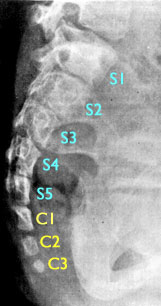
D) A boy with a true human tail (TRUE)http://www.talkorigins.org/faqs/comdesc/images/tail.jpg
E) A true hermaphrodite with both ovarian and testicular tissue (TRUE)http://www.healthyplace.com/Communities/Gender/intersexuals/about_me.htm
Subscribe to:
Posts (Atom)